
Exploring the Impact of Cultural Differences on Casino Experiences
Cultural Attitudes Towards Gambling
Cultural attitudes toward gambling vary significantly around the world, influencing how individuals perceive and engage with casinos. In some cultures, gambling is viewed as a form of entertainment and leisure, while in others, it may be considered taboo or morally questionable. For instance, countries with a rich tradition of gaming, like Las Vegas in the United States, treat casinos as social hubs, attracting tourists from diverse backgrounds. This acceptance can enhance the overall casino experience, allowing patrons to indulge freely in their enjoyment of gambling. For those interested in finding reputable options, exploring horse race betting sites can be a great starting point for your journey.
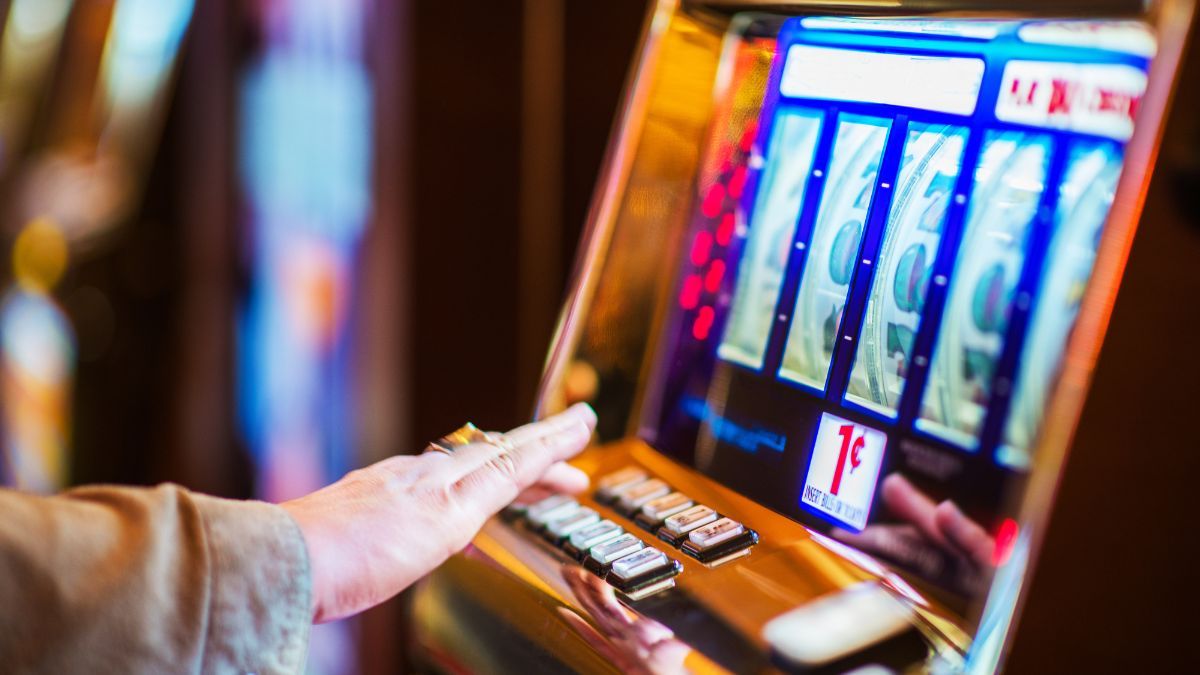
Conversely, in cultures where gambling is frowned upon, such as certain areas in Asia and the Middle East, the casino experience can be heavily influenced by societal norms. Individuals from these regions may approach casinos with apprehension or guilt, impacting their willingness to participate fully in gaming activities. Understanding these cultural nuances is essential for casino operators aiming to create an inclusive and inviting environment that respects various cultural perspectives while enhancing the overall gaming experience.
The way communities celebrate or criticize gambling also shapes casino interactions. In some societies, festivals or communal events may celebrate gaming as a cultural heritage, creating a festive atmosphere in casinos. In contrast, cultural narratives that focus on the negative consequences of gambling can lead to a more subdued or cautious approach among players. Such disparities highlight the need for casinos to tailor their marketing and operational strategies to accommodate the diverse backgrounds of their clientele.
The Role of Social Interaction in Casinos
Social interaction is a significant aspect of the casino experience, heavily influenced by cultural norms. In many Western cultures, casinos are vibrant places filled with chatter, laughter, and camaraderie, as people gather to celebrate victories or console each other after losses. This communal aspect encourages social bonding and makes gambling more enjoyable. In contrast, cultures that prioritize individualism may lead to more solitary experiences in casinos, as players focus on personal performance rather than social engagement.
In some Asian cultures, for example, gambling is often a family-oriented activity, where groups of relatives come together to enjoy their time at the casino. This collective approach can create a supportive environment that enhances the overall experience, as individuals share their successes and strategize together. The emotional support provided by family can mitigate the stresses associated with gambling losses, fostering a positive atmosphere within the casino.
Moreover, the type of games favored can reflect social preferences shaped by cultural backgrounds. In cultures where chance games like poker or blackjack are popular, social strategies and negotiation skills come to the forefront. Alternatively, cultures that lean towards games of skill may promote competition and strategy over social interaction. This divergence shows how social dynamics play a crucial role in shaping the casino experience for different cultural groups.
Game Preferences Across Cultures
Different cultures exhibit distinct preferences for various casino games, significantly impacting how casinos cater to their clientele. For example, while slot machines are universally popular, table games such as baccarat tend to have strong followings in Asian markets, where the game is often associated with high stakes and social prestige. Understanding these game preferences allows casinos to tailor their offerings to match the desires of their diverse patrons, enhancing the overall experience.
In European casinos, games such as roulette and blackjack dominate the scene. These games are often associated with strategy and skill, attracting players who enjoy a more tactical approach to gambling. This cultural preference is not just about entertainment; it reflects deeper societal values regarding risk and decision-making. Casinos that recognize and accommodate these preferences are more likely to attract a loyal customer base and foster a positive gambling environment.
Additionally, the emergence of online casinos has introduced a new layer of complexity to gaming preferences. While traditional casinos often emphasize the social aspect of gameplay, online platforms cater to a wider audience by offering a variety of games tailored to different cultural tastes. This shift highlights the importance of adaptability in the casino industry, as operators seek to create experiences that resonate with players from various backgrounds, whether in-person or online.
The Impact of Regulation and Legality
The regulation of gambling varies significantly by country and often reflects cultural attitudes toward the industry. In some nations, strict regulations are in place, limiting where and how gambling can occur. These laws can affect the casino experience by restricting game offerings and impacting the overall atmosphere. In contrast, countries with more lenient regulations often promote a vibrant gaming culture, resulting in a lively casino environment that attracts both local and international visitors.
The legality of gambling also influences tourism, with many travelers seeking out regions where casinos are celebrated and openly embraced. For example, destinations like Macau have become synonymous with luxury gaming, drawing millions of visitors each year. This cultural acceptance of gambling has positioned these areas as premier tourist attractions, significantly impacting local economies. Consequently, casinos must navigate these legal landscapes while also being sensitive to cultural differences that shape public opinion about gambling.
Furthermore, regulatory frameworks often dictate how casinos market themselves, influencing the types of promotions and events they host. Regions with strict advertising laws may limit how casinos communicate their offerings, impacting player engagement and awareness. Understanding these regulations within a cultural context can help casinos craft strategies that resonate with their target audiences while remaining compliant with local laws, ultimately enriching the gaming experience.

Your Guide to Casino Experiences
At Best Betting Sites UK 2026, we understand the intricate relationship between cultural differences and casino experiences. Our mission is to provide comprehensive insights and guides to help both beginners and seasoned players navigate this diverse landscape. By highlighting the unique factors that shape casino experiences around the world, we empower our readers to make informed decisions that enhance their gaming journeys.
Our expert reviews evaluate various casinos, considering how cultural elements influence everything from game selection to customer service. This level of detail ensures that players can choose platforms that resonate with their preferences and expectations. Whether you’re seeking a bustling social atmosphere or a more subdued, solitary gaming experience, we strive to guide you toward options that align with your values and desires.
As you embark on your casino adventure, remember the significance of cultural differences in shaping your experience. By understanding these aspects, you can appreciate the nuances of gaming in various environments. Our platform is dedicated to ensuring your journey is both enjoyable and responsible, providing the resources you need to explore the fascinating world of casinos.
Deixe um comentário